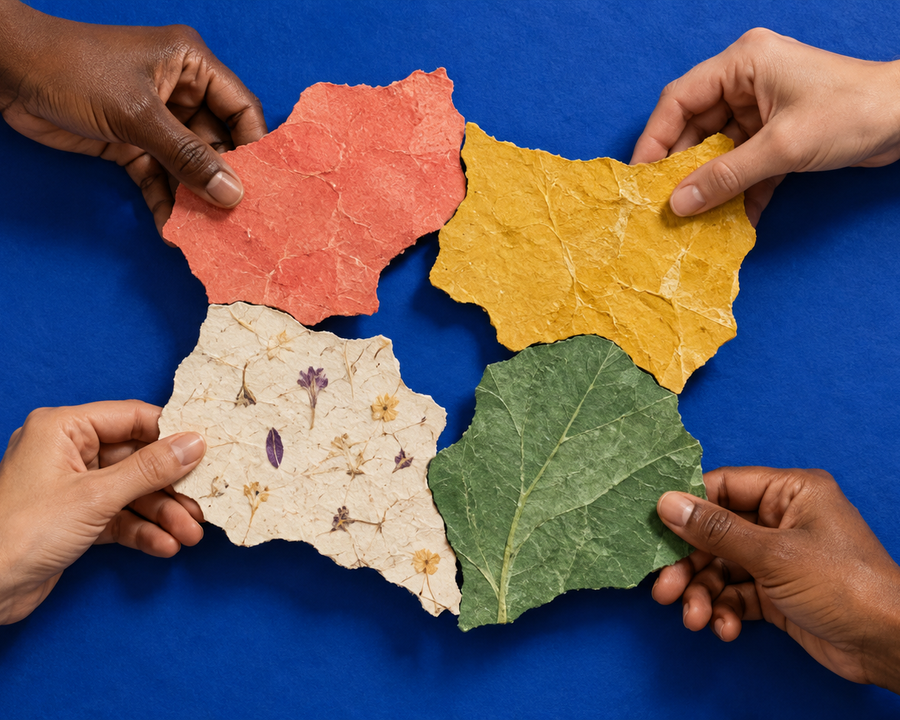


You finally make the move, leave the job, finish the degree, or step into a relationship you wanted. Then sadness arrives. You may feel relieved in the morning and tearful by evening. The contrast can be confusing when the change was chosen and still feels right.
Change can feel like grief because every transition includes an ending. You may be losing a routine, an identity, a place, a version of the future, or the person you were while surviving an old chapter. Relief does not cancel loss. Hope does not require constant happiness.
Why positive change can still hurt
The mind often looks for a clean emotional story. If this is good, you should feel good. If you feel sad, perhaps it was a mistake. Real transitions are less tidy. A meaningful step can bring freedom, fear, gratitude, loneliness, and doubt into the same week.
Grief can be the shape love takes when a familiar life is changing.
Try describing the feeling without judging it. You might be missing what was familiar, grieving time that cannot return, or feeling the strain of learning new patterns. Specific language can make a large emotional fog easier to sit with.
It can also help to notice what remains. A transition may change your surroundings while leaving values, skills, relationships, or hopes intact. Looking for continuity does not minimise the loss. It reminds you that change is not the same as losing everything.
Name what is ending
A small ritual can give an ending a place to land. Write a letter you do not send, take a final walk through a familiar neighbourhood, or tell someone what the old chapter gave you. These gestures are not dramatic requirements. They are ways to make invisible change more visible.
Let the new chapter be unfinished. You do not have to know who you will become or feel at home immediately. Build one reliable routine, keep one nourishing connection, and allow your sense of direction to develop through experience.
When sadness appears, you can meet it with curiosity rather than correction. Ask what it is protecting, remembering, or asking you to acknowledge. Emotion often becomes less overwhelming when it is no longer treated as an interruption.
Support can be especially useful when a transition brings persistent hopelessness, isolation, or difficulty functioning. You deserve care during a change, not only after you have adjusted successfully.
Make room for mixed feelings
You do not need to choose between gratitude and grief. You can be proud of yourself and miss what was. You can want the future and feel tender about the past. These experiences can travel together while you learn the shape of your new life.
A transition is not a test of how quickly you can stop feeling. It is a period of listening, adjusting, and making meaning. Give yourself time to arrive.
Frequently asked questions
Why does a good change make me sad
Even positive change can involve endings, uncertainty, and the loss of familiar routines or identities. Sadness can be part of adapting rather than proof that the change was wrong.
How can I cope with grief during a life transition
Name what is ending, keep supportive routines, stay connected to trusted people, and allow mixed emotions without demanding a quick resolution.
When should I seek professional support
Consider support when sadness, anxiety, or isolation persist, disrupt daily functioning, or make it difficult to care for yourself during the transition.
Sources
- My mental health do I need help — National Institute of Mental Health
- Life changes and mental wellbeing — NHS Every Mind Matters