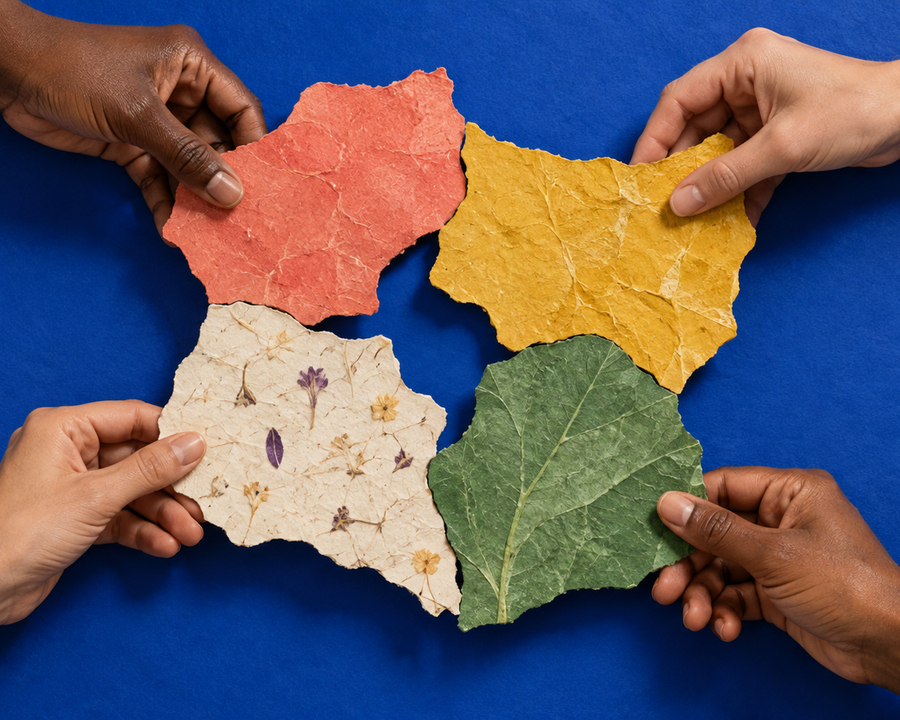


When the New Chapter Does Not Feel Like You Yet
Some changes arrive with a clear date, such as moving, starting a job, becoming a parent, retiring, or ending a relationship. Identity usually changes less neatly. The old routines and roles may disappear quickly while the new ones still feel borrowed. You may function well on paper and still wonder where the familiar version of you went.
This gap can hold mixed feelings. Relief can sit beside grief. A wanted opportunity can bring loneliness. You can miss a former life without wanting to return to it. These combinations are not evidence that you made the wrong choice. They reflect the number of connections, habits, expectations, and meanings that a transition can rearrange.
Identity Is Also Relational
We often describe identity as something private, but other people help reflect it back to us. A colleague knows your humour, a neighbour expects your wave, or a friend remembers the history behind a short message. When a transition changes those relationships, you may lose ordinary moments of recognition as well as practical support.
Research on life change and social identity highlights the value of maintaining some groups while developing new and compatible memberships. The point is not to collect contacts or force belonging. It is to notice which relationships allow more than one part of you to exist. Continuity may come from one old friendship, a cultural practice, a community, or a role that still matters.
You do not have to erase who you were in order to grow around what has changed.
Look for Threads Rather Than a Finished Answer
The question Who am I now can be too large to answer when everything feels unfamiliar. Try smaller questions. What qualities have stayed with me across different roles? What do I miss because it expressed a value? When have I felt most present this week? The answers may reveal threads such as curiosity, care, independence, creativity, faith, humour, or contribution.
Choose one thread and give it a current form. If creativity mattered, that might mean ten minutes with a camera rather than recreating an old career. If contribution mattered, it might mean helping one neighbour rather than immediately finding a major commitment. The new expression can be smaller while you learn what fits.

Build Familiarity Through Repetition
A new life may not feel like yours because it has not yet accumulated repetition. Choose a few anchors that are possible under current conditions, such as a regular walk, a weekly call, preparing one familiar meal, or working from the same quiet place. Routine cannot remove grief or uncertainty, but it can reduce the number of decisions required while your attention is stretched.
Social connection matters too. Canadian public health resources link supportive relationships and community belonging with wellbeing. Connection can be modest and specific. Tell one person what has felt strange, attend the same group twice, or ask someone in a similar transition what surprised them. Belonging often grows through repeated contact rather than an immediate sense of fit.
Let the Transition Have Its Own Pace
Pressure to make the change meaningful can become another burden. You do not need a lesson, a five-year plan, or gratitude on demand. Some days are for practical adjustment, some for mourning, and some for noticing an unexpected possibility. A person-centred approach makes room for your timing instead of assuming every transition follows the same emotional sequence.
If feeling lost persists, affects daily functioning, or becomes accompanied by intense hopelessness or isolation, consider speaking with a health professional. Therapy can help you explore what has ended, what remains, and what you want to carry forward. The aim is not to manufacture a new identity quickly, but to support choices that feel increasingly recognizable as your own.
Common questions about identity and change
How long should it take to feel settled after a life change?
There is no universal timeline. The scale of the change, available support, other stressors, and what the former role meant to you can all affect adjustment. Progress may be uneven rather than linear.
Can I grieve a change that I chose?
Yes. Choosing a change does not remove the losses attached to it. You can value the new direction and miss relationships, routines, status, certainty, or versions of yourself connected to what ended.
What if I do not know what matters to me anymore?
Start with moments rather than a complete values list. Notice what brings even a small sense of interest, steadiness, connection, or integrity. Repeated observations can reveal patterns without forcing an immediate answer.
Sources
- Protective and risk factors for mental health — Public Health Agency of Canada
- Life Change, Social Identity, and Health — PubMed
- Measuring Positive Mental Health in Canada — Public Health Agency of Canada